Positional Trading: How To Position For The Next Big Move

Crypto is a strongly trending market, which makes positional trading one of the most useful ways to prepare for a larger directional move. Instead of searching for a fresh setup every day, we identify the bigger trend, build a position with a clear plan and give the market enough time to develop.
When crypto begins moving in one direction, that move can continue for weeks or months. Being positioned for the larger trend can therefore be more effective than reacting to every short term fluctuation.
- ✓Positional trading focuses on a larger directional move instead of finding a new setup every day.
- ✓The weekly chart helps us define the main trend; lower timeframes can then help refine entries.
- ✓We can build a position gradually, add selectively on pullbacks and keep capital in reserve.
- ✓Trend confirmation and position sizing separate a structured plan from blind DCA.
Educational content only. Not financial advice. This guide explains a trading framework and is not a recommendation to buy, sell or hold any asset.
01What Is Positional Trading?
Positional trading means taking a position based on the broader market trend and allowing enough time for the idea to play out. The question changes from “What can we trade today?” to “What is the market trying to do over the next few weeks or months, and how can we prepare for it?”
We do not need to catch every move, trade every day or constantly search for a new setup. Our job is to identify the larger direction, wait for evidence, position carefully and let the trend do the work.
02Start With The Weekly Chart
Crypto often respects higher timeframe trends surprisingly well, so the weekly chart is central to a positional trading plan. When weekly structure is bearish, the market can continue lower until that structure changes. When weekly structure is bullish, the trend can continue higher until the structure breaks.
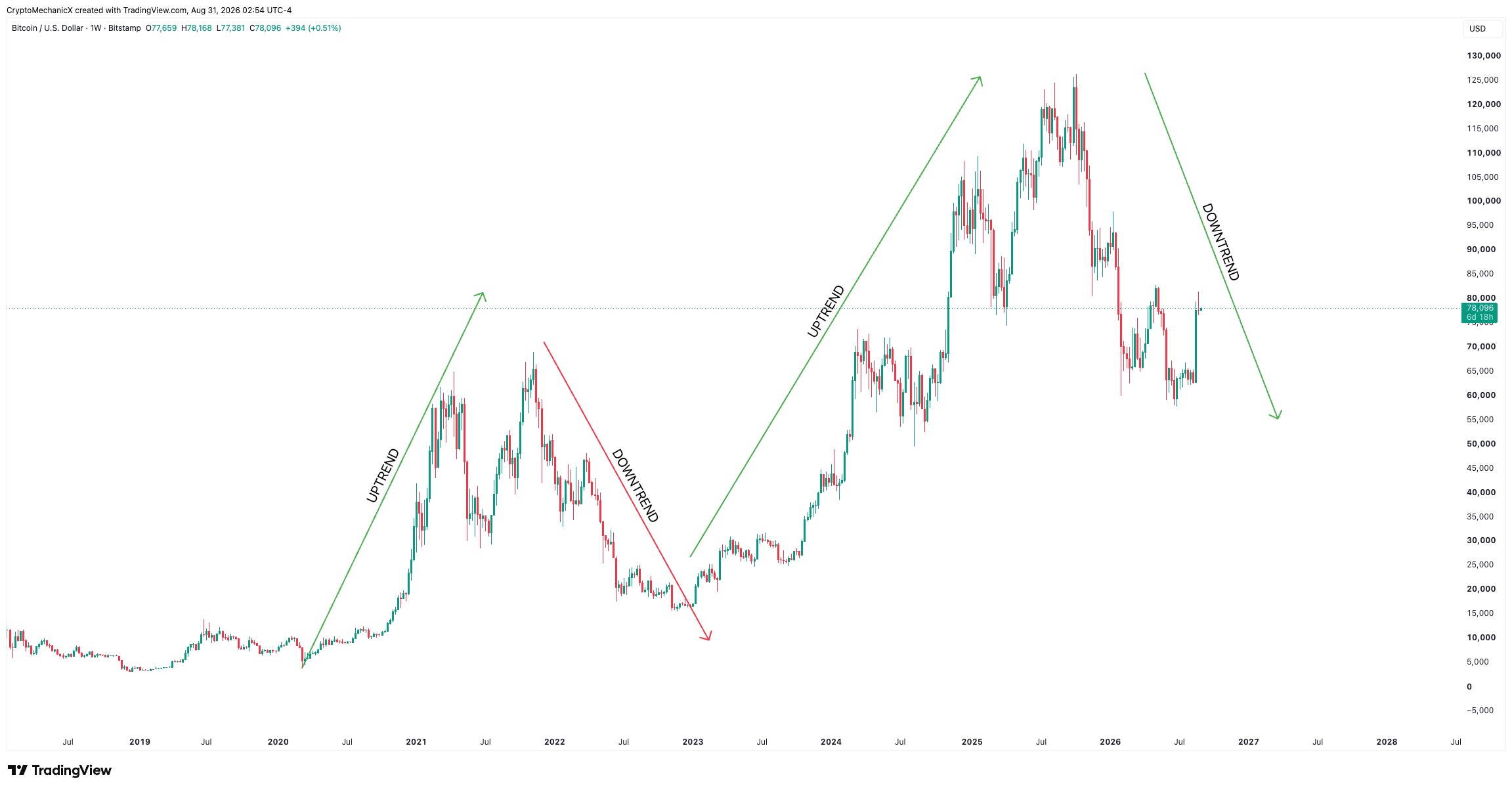
Lower timeframes can help us refine an entry, but the weekly chart helps define direction. In a bullish weekly structure, we would usually focus on planned pullback entries instead of trying to short every small dip. In a bearish weekly structure, an asset looking “cheap” is not enough reason to keep buying.
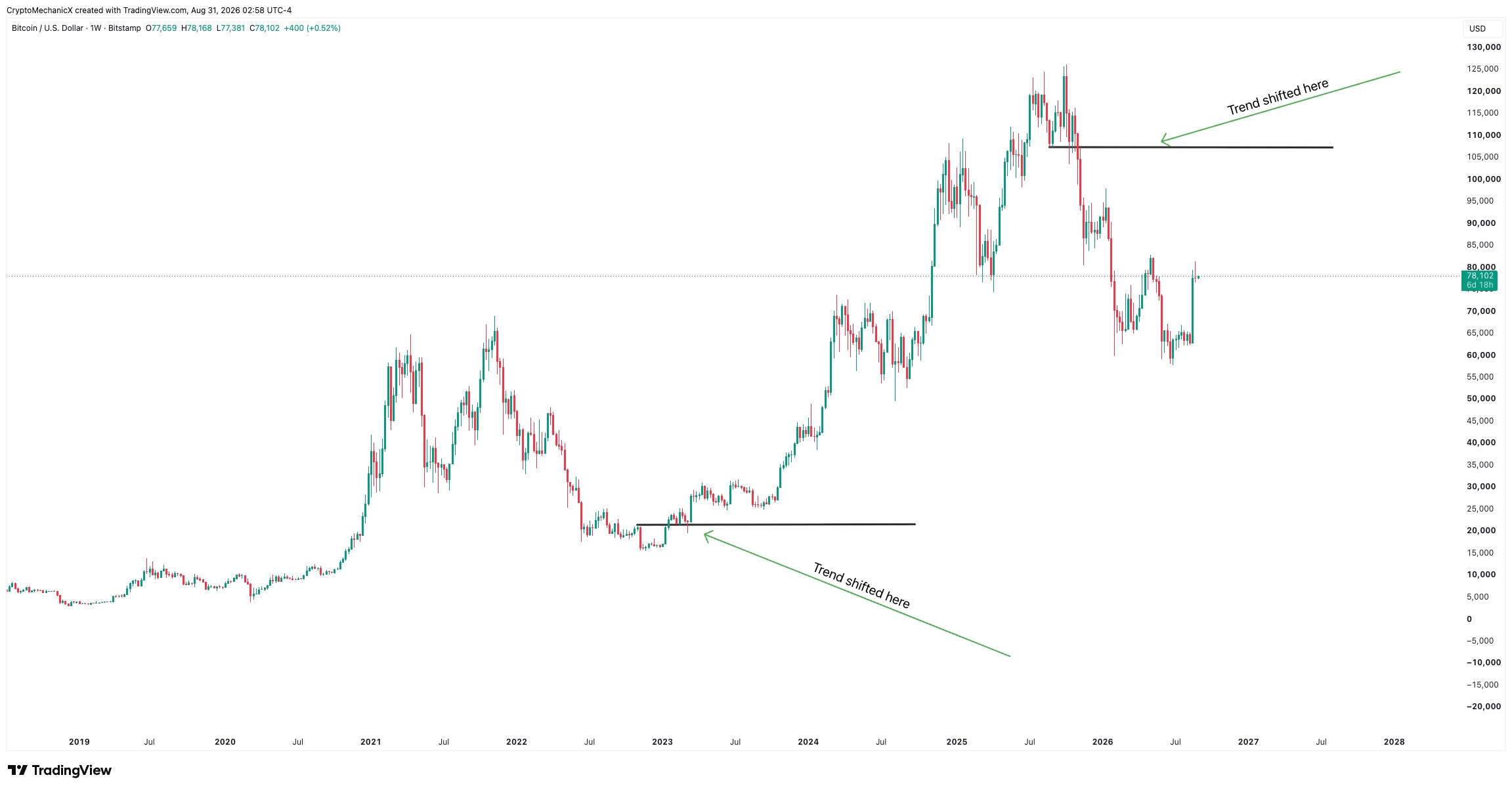
03Wait For Market Confirmation
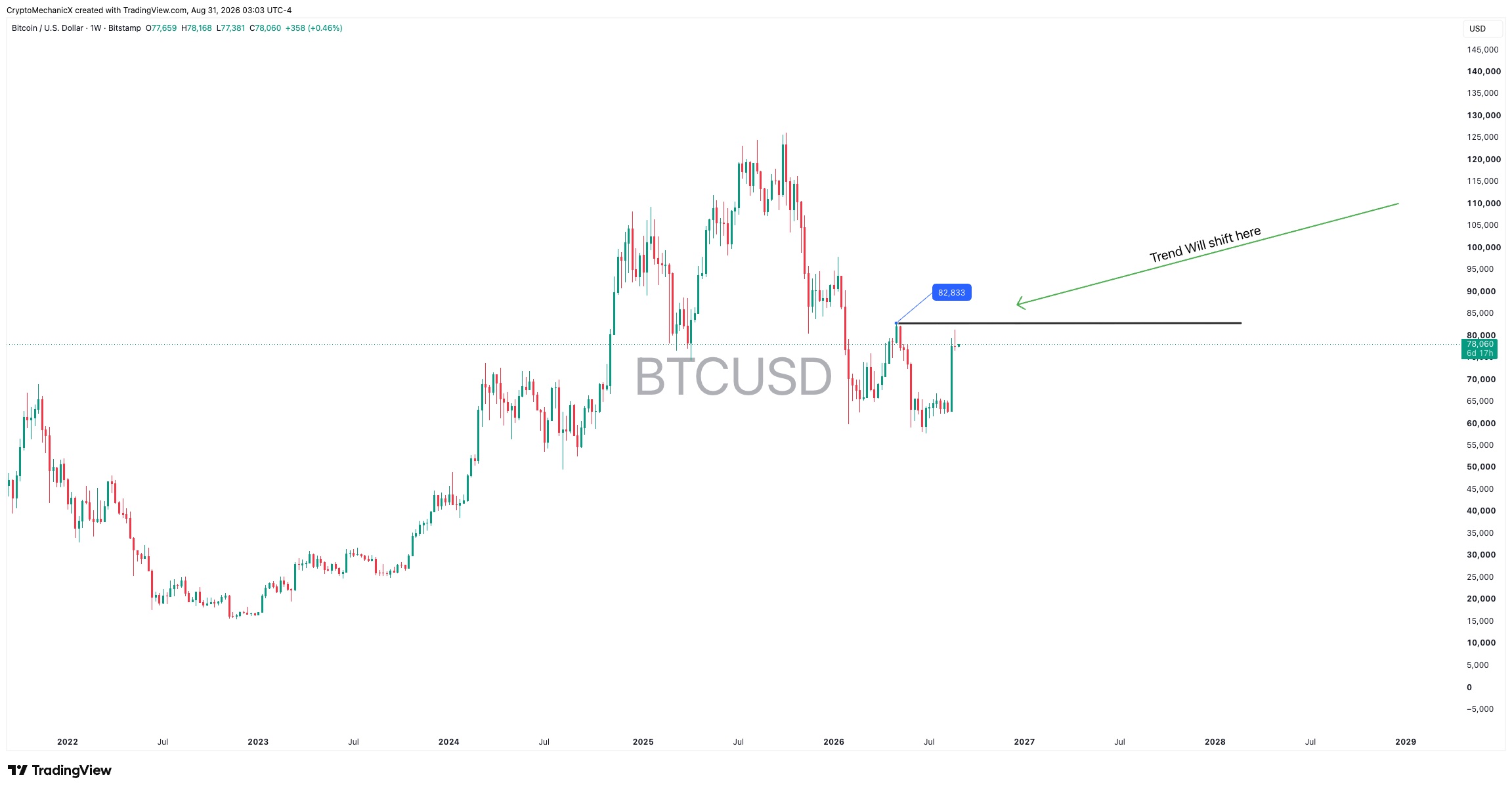
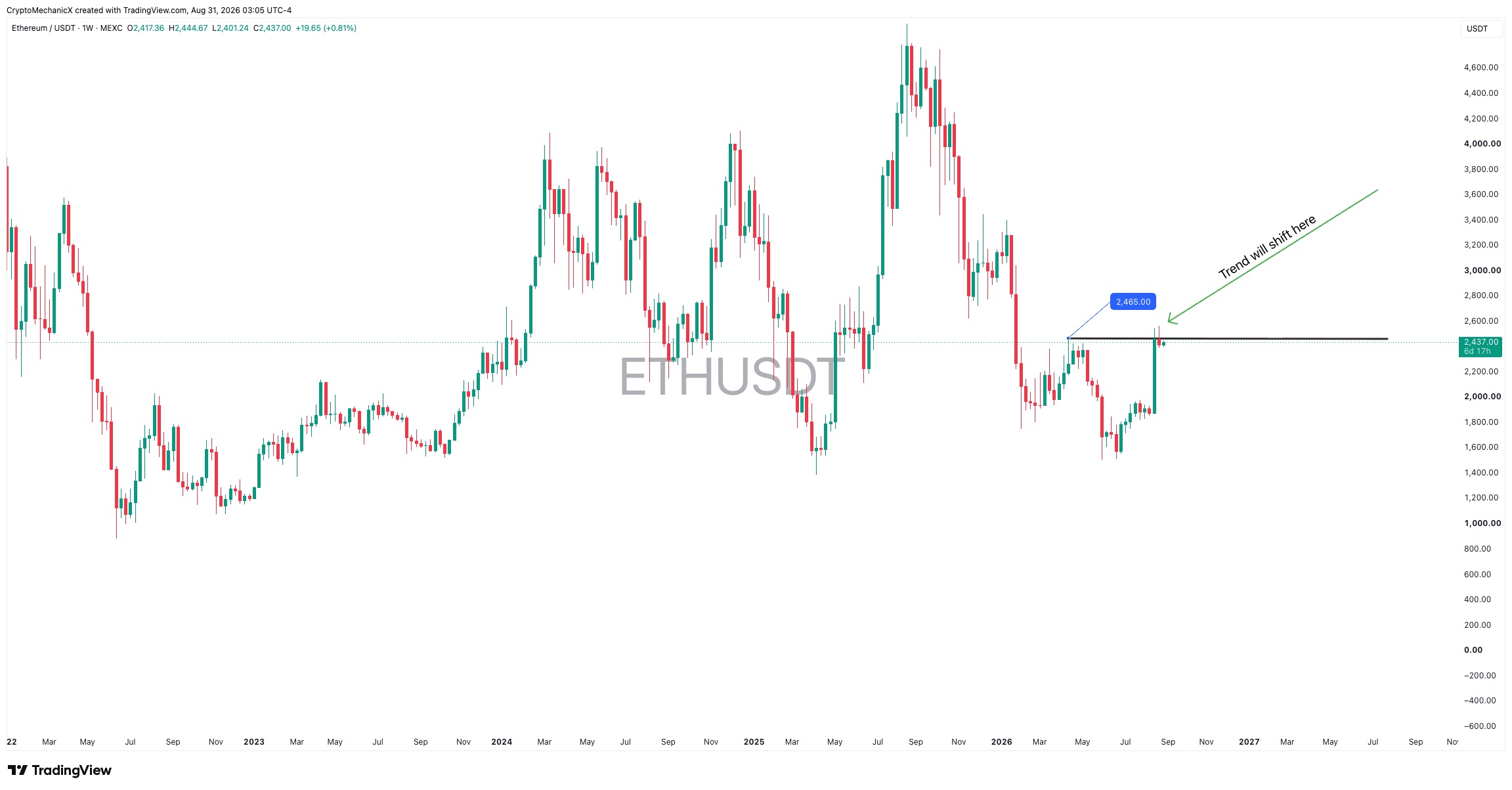
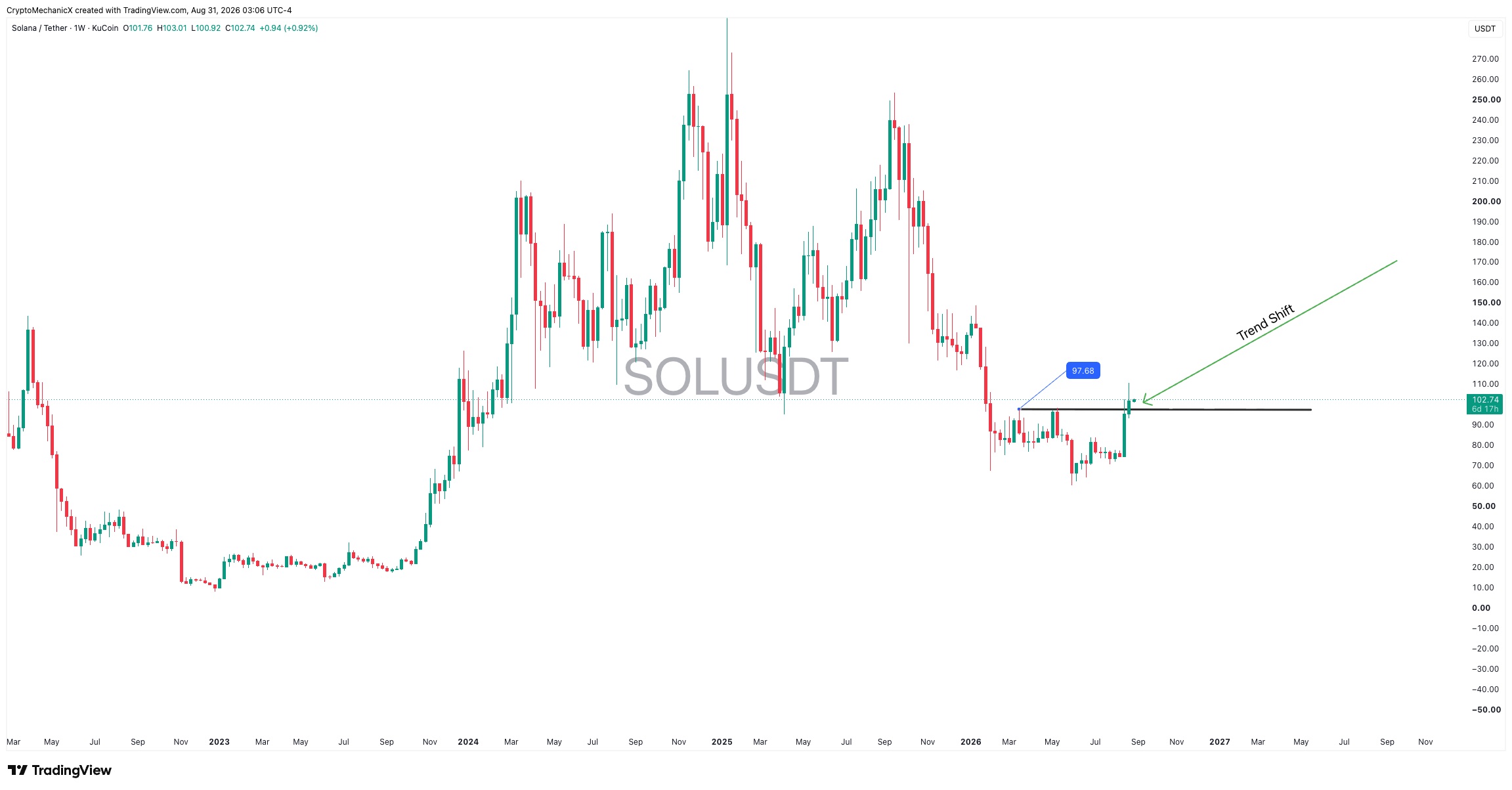
Suppose the market has been bearish, but Bitcoin begins printing higher highs and higher lows while Ethereum and Solana reclaim important weekly levels. Those changes can suggest that the previous downtrend is losing control.
We do not need to be early simply for the sake of being early. A confirmed trend shift gives us a stronger foundation for the trade thesis, even if that means missing the first part of the move.
04Start Allocating Slowly
Once the market confirms a shift, we can begin allocating capital gradually. We do not need to deploy the entire planned amount on day one. For example, if we plan to build a $50,000 BTC, ETH, SOL or altcoin position, we can start smaller and increase exposure only as the trend develops.
Gradual allocation reduces our dependence on one entry price. It also leaves room to respond if the market confirms the trend, moves sideways or offers a deeper pullback.
05Three Ways To Build A Position
We can divide the planned capital into smaller daily or weekly allocations. This reduces the pressure to find one perfect entry and lets the position develop over time.
After establishing an initial position, we can use a meaningful pullback to add if the higher timeframe structure remains valid. A dip alone is not enough; the original trend thesis still needs to hold.
Strong crypto trends rarely move in a straight line. Keeping part of the capital available gives us flexibility when the market delivers a 5%, 10% or larger pullback.
06Position Size Creates Flexibility
Positional trading does not mean putting everything into one trade. Position size should reflect our total capital, risk tolerance and the point where the market would invalidate the idea.
If we have $10,000 or $100,000 available, a bullish weekly shift does not require us to deploy all of it immediately. We might begin with 20 to 30%, then add only as the market provides confirmation or a planned pullback. The exact allocation must fit our own risk plan, but the principle is the same: reserve capital preserves flexibility.
07Do Not Confuse Positioning With Random DCA
There is an important difference between positional trading and blindly buying an asset simply because it has fallen. A 40 to 50% decline does not automatically make an asset a good buy when its weekly trend remains bearish; the market can always fall further.
DCA works better as a position building method after we have a clear reason to own the asset and evidence supporting the thesis. A structured process looks like this:
Identify the trend → wait for confirmation → start positioning → add gradually → keep reserves → let the trend play out.
“Price is down, so we buy and hope” is not a strategy. Market structure, invalidation and risk management must come first.
08We Do Not Need The Exact Bottom
One of the most important mental shifts in positional trading is accepting that we do not need to buy the exact bottom. If an asset bottoms at $100 and our confirmation arrives at $120, that can still be a valid entry when the thesis targets a much larger move.
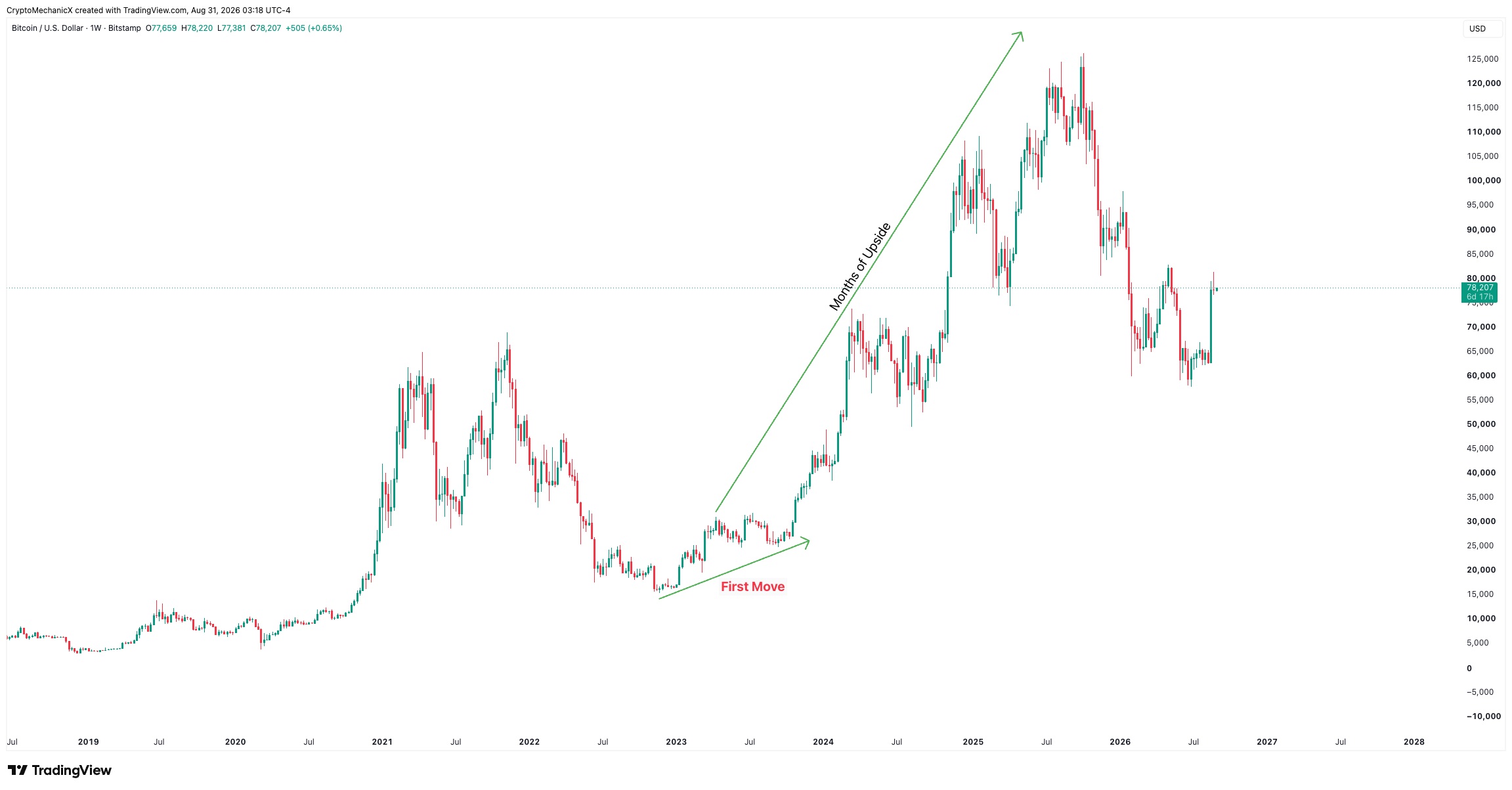
Trying to catch the precise low often leaves traders waiting while the market moves without them. Entering slightly later with confirmation can be more disciplined than entering early without evidence. Missing the first 10 to 20% matters less if the broader opportunity is substantially larger.
The goal is not to secure the lowest possible price. The goal is to build a properly sized position for the larger move while protecting the capital needed to stay in the market.
Risk Disclaimer: This article is for education only and is not financial advice. Positional trading requires patience, discipline and experience. Crypto assets are volatile, so we must do our own research and manage risk carefully.
This guide was adapted for our website from our original Binance Square article.
Educational content only. Not financial advice. Trading involves risk.