Why The Altcoin Market Is Struggling And May Never Fully Recover
The days of easy 100x gains from random altcoins may be behind us. Here is an honest, educational look at why the altcoin market is struggling.
If you have been watching the crypto market lately, you have probably noticed something frustrating: Bitcoin is strong, Solana is strong, and some major coins are moving, but many altcoins are barely moving. Many are down 80–90% from their peaks, and the “altseason” that everyone keeps waiting for never seems to arrive.
This is not just bad luck. There are real structural reasons why the altcoin market looks broken, and some of them will not fix themselves.
Educational content only. Not financial advice. This article is general market commentary written to help you understand structure and risk. It is not a recommendation to buy, sell or hold any asset, and it contains no signals or trade tips.
01Bad Tokenomics: Too Much Supply, Too Little Demand
One of the biggest problems in the altcoin market is how tokens are designed.
Most projects release new tokens into the market on a regular schedule. This is called unlocking, and it often happens even when there is no real demand for those tokens.
Think of it like a shop that keeps printing gift vouchers and handing them out, even though nobody wants to spend them. The value of those vouchers naturally falls.
That is exactly what happens with many altcoins. Teams, investors and advisors hold large amounts of tokens, and when those tokens unlock, some get sold. Retail buyers often absorb that selling pressure.
02Launching At Unrealistic Valuations
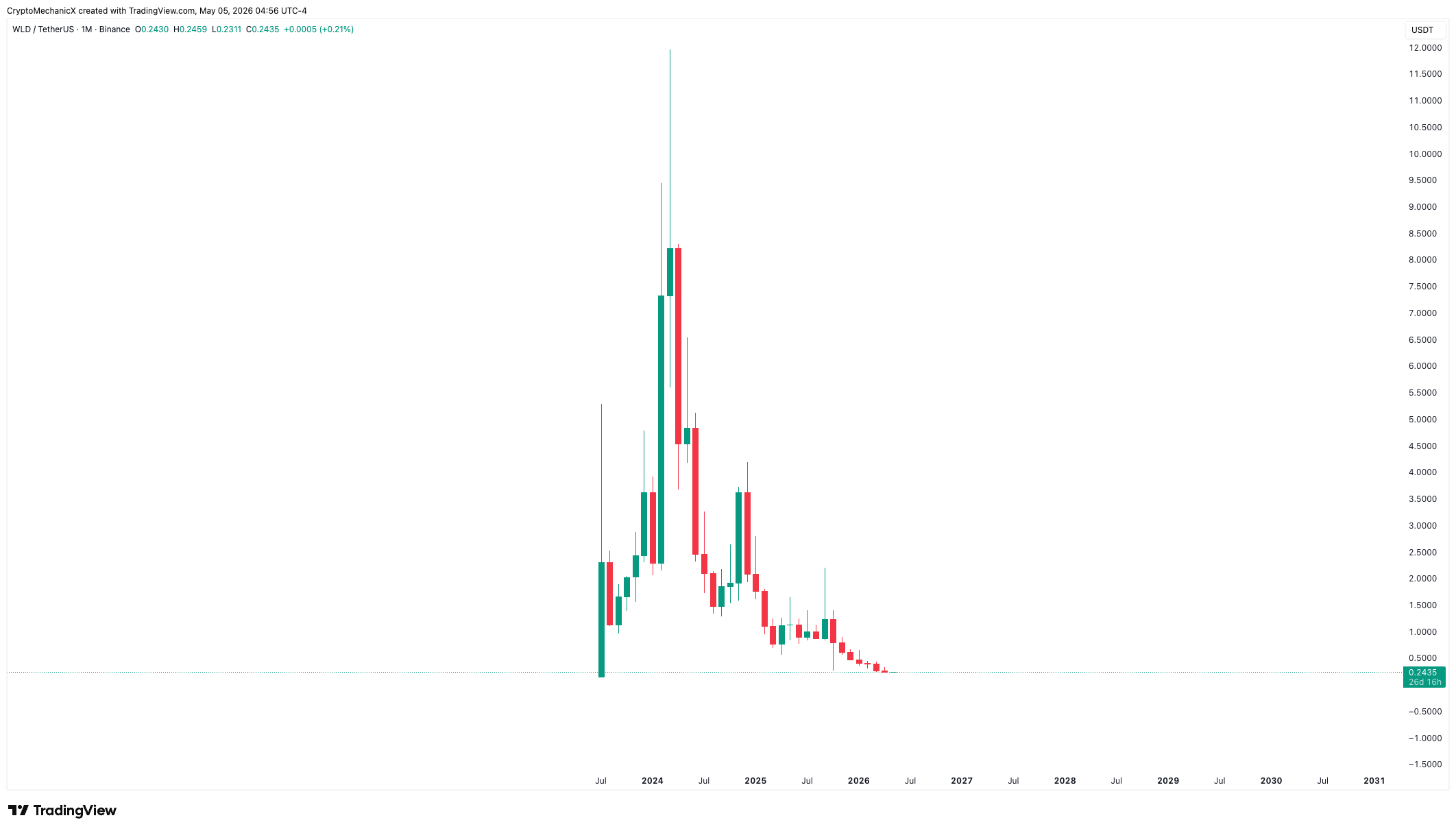
Back in 2017 and 2021, many altcoins launched at small market caps and grew 10x, 50x, or even 100x from there. Early buyers had room to grow.
Today, the story is different.
Most new projects launch at fully diluted valuations of $500 million, $1 billion, or even higher, before they have built anything meaningful. Venture funds and early backers often enter at a fraction of that price.
For an altcoin that launches at a $1 billion valuation to deliver a 10x return, it would need to reach $10 billion. That is an enormous amount of new money. Most projects simply do not attract it.
03No Real Use Case
Crypto was supposed to change the world. Some projects, such as Ethereum-based DeFi and stablecoins, have found genuine use cases. But many altcoins exist mainly for speculation.
What problem does this token actually solve?
Who actually uses it?
If the honest answer is “people buy it hoping someone else will pay more,” then it behaves less like a business and more like a game of musical chairs. When the music stops, whoever is holding is left exposed.
04Too Many Altcoins: The Market Is Overwhelmed
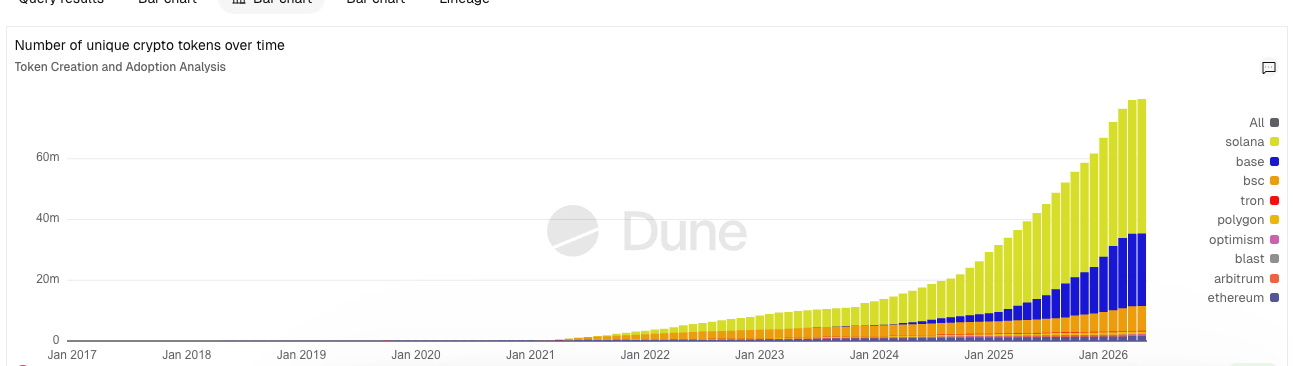
In 2017, there were only a few hundred altcoins. In 2021, there were a few thousand. Today, there are millions of tokens, many created in seconds using automated tools on Solana and other chains.
This creates a simple problem: where does the money go?
In 2021, if you believed in DeFi, ecosystem Layer 1s or NFTs, there were maybe five or ten strong projects to choose from. Now there are thousands. The same pool of investor money is spread impossibly thin across an ocean of tokens.
It also makes it far harder for regular people to know what is what. Research that once took a few hours now means following dozens of accounts, reading whitepapers and tracking on chain data, and even then, much of it is uncertain.
05Memecoins Changed The Culture
The rise of memecoins has reshaped attention across the market. Instead of researching projects with real technology, many people now gamble on dog, cat, frog and celebrity coins.
Some political tokens and celebrity memecoins went from huge valuations to almost nothing. The odds for the average buyer are not favourable: for every person who profited on a memecoin, many more did not.
This culture of pure gambling makes it harder to have serious conversations about real projects, and it pushes away people who care about fundamentals rather than casino odds.
06Trust Has Been Damaged
Perhaps the most important factor of all: many retail participants have been burned too many times.
Over the past few years, large amounts of money have been lost to rug pulls, scams, collapsed platforms like FTX, and projects that simply abandoned their communities. People who put in savings were wiped out.
That kind of experience does not just hurt financially, it erodes trust. And once someone decides crypto is not for them, marketing during the next bull run rarely brings them back. The next wave of newcomers tends to be more cautious, not less, which means less fresh money flowing into altcoins.
07Institutions Are Concentrating At The Top
Much of the institutional money that has entered crypto has gone into Bitcoin and, more recently, Ethereum. These institutions are generally not buying small cap altcoins.
They need liquidity, regulatory clarity and predictable risk, things most altcoins cannot offer. So the larger pools of capital concentrate at the top of the market, while altcoins rely more on retail interest, which (as above) is fading.
08Will There Ever Be Another Altseason?
This is the question everyone asks. The honest answer is: probably not in the same way we remember from 2017 or 2021.
In those cycles, altcoins were a small, exciting corner of a small market. There were fewer options, less competition, and large amounts of new money entering for the first time, conditions that made broad, explosive moves possible.
Today the market is more mature, and that maturity comes with harder realities: too many tokens chasing too little money, and most unlikely to revisit their all time highs. A few exceptional projects with real users and real revenue may still do well, but the era of “everything pumps” is likely behind us.
None of this is a prediction about any single coin. It is a way of understanding the structure of the market so you can think more clearly about risk.
Educational content only. Not financial advice. Trading involves risk.